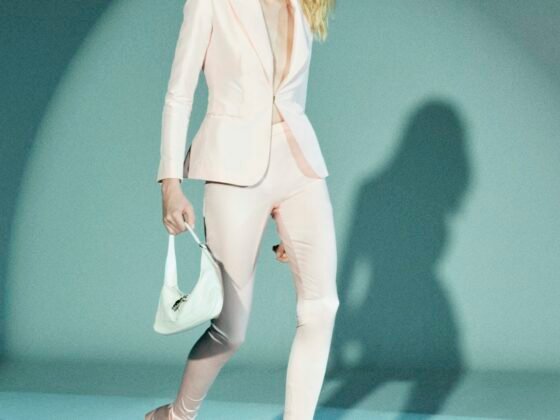
Valextra’s A Study of Softness approached the handbag through its relationship with the body. Presented for autumn–winter 2025, the collection expanded the house’s repertoire of structured designs with more yielding materials and forms. The aim was not simply to make an existing bag less rigid, but to consider how construction changes when softness becomes part of its identity.
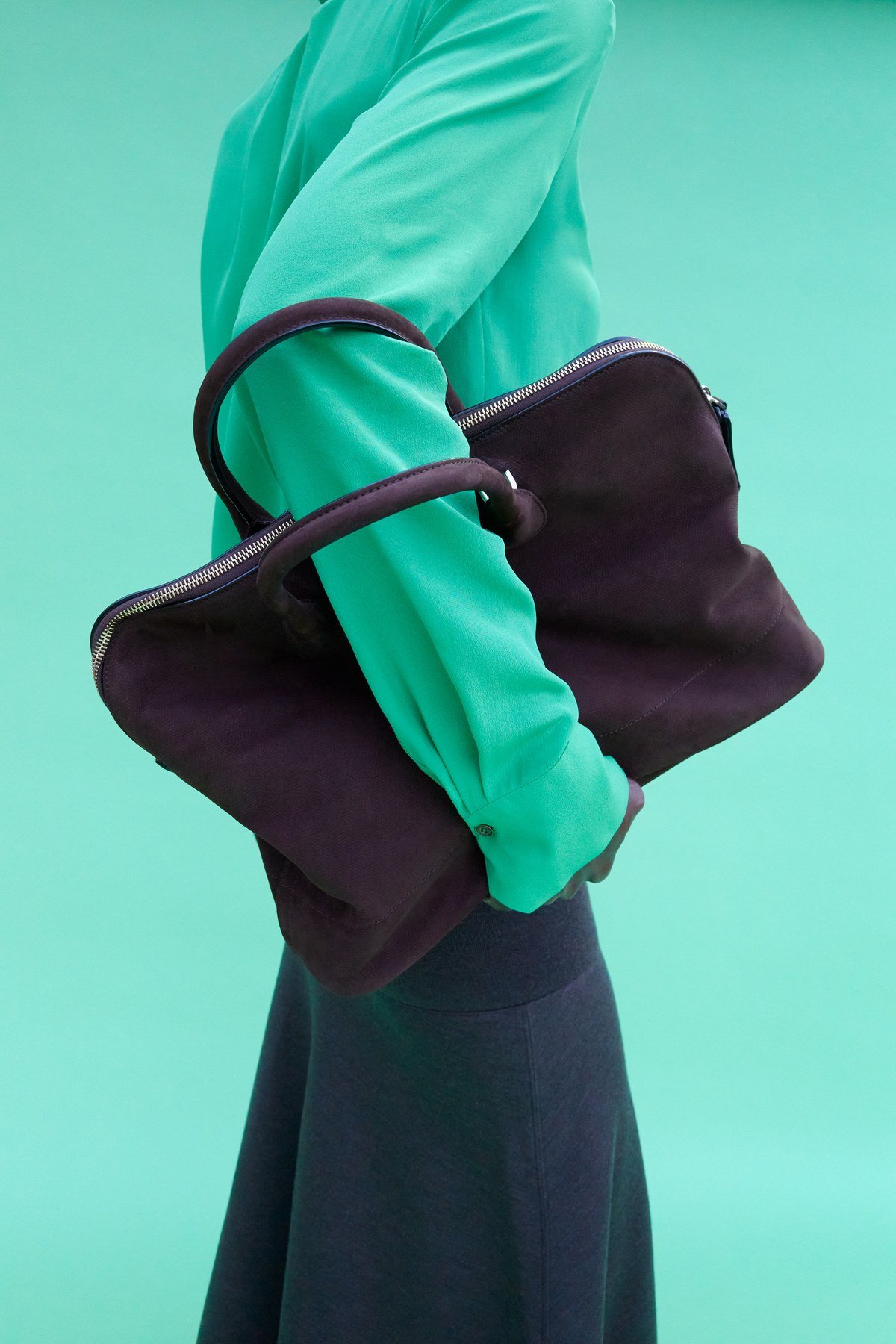
The Milano and MyLogo Bowling bags introduced Senso, described in the release as a supple nubuck material. In the Milano, the design dispenses with internal pockets to preserve its malleability. Chocolate brown, black and nude formed the palette, keeping the focus on the surface and the way the bag holds its shape.
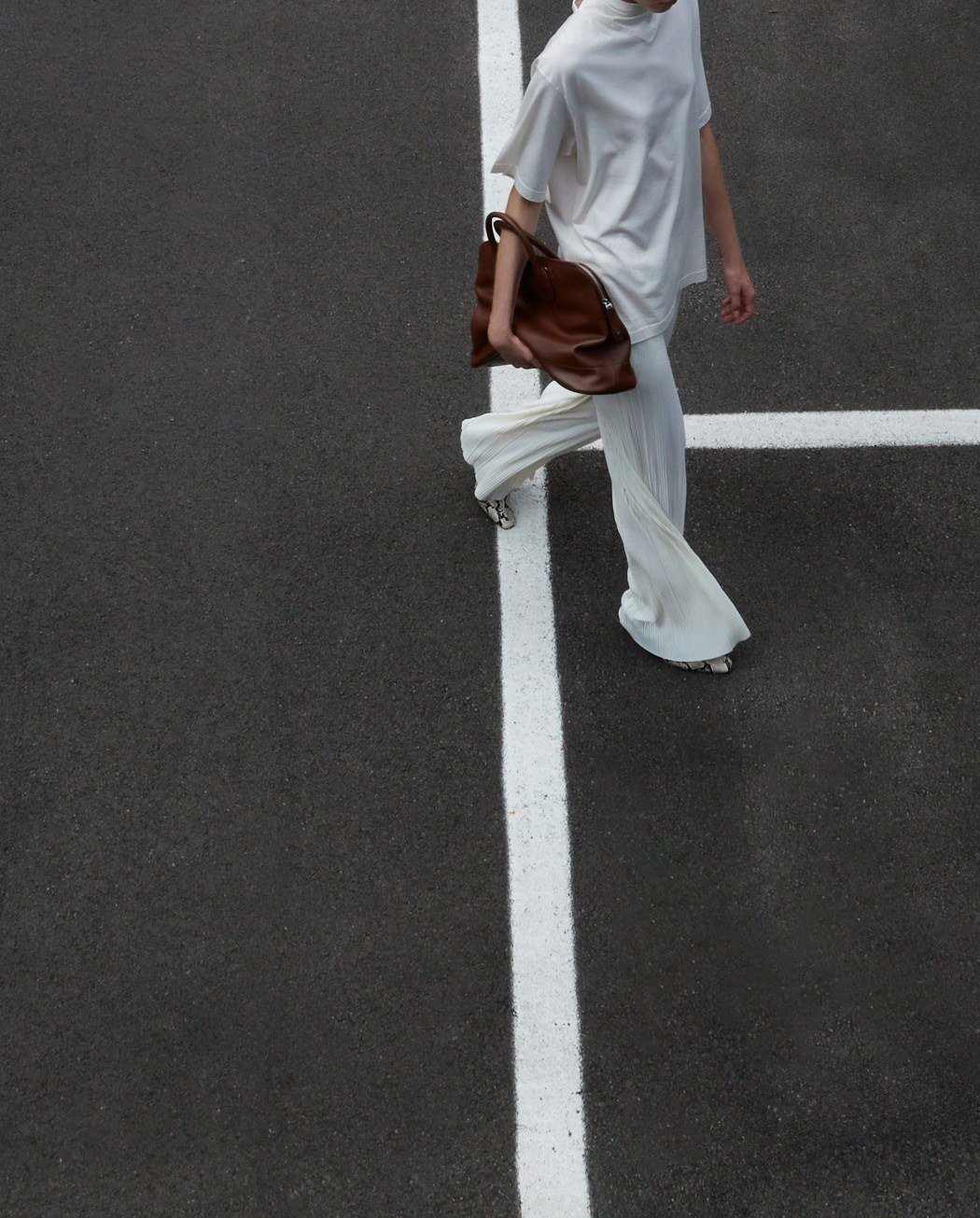
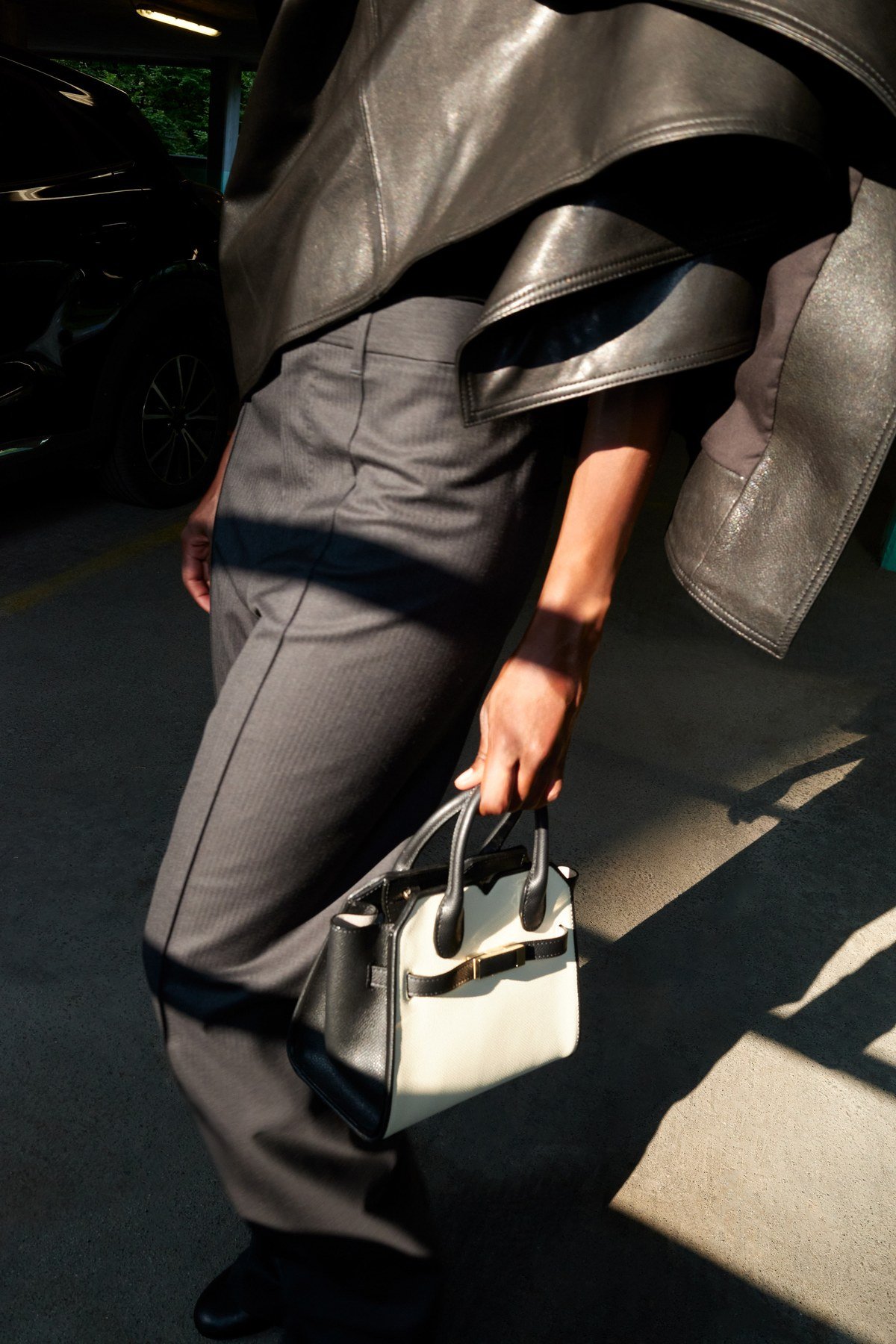
The collection also developed Sublime leather across several forms. Medium and mini Milano sizes joined the larger version, while the MyLogo Bowling appeared in mini and micro proportions. The Mochi handbag brought another expression through its deliberately compressible shape. These variations show how the same material direction can support different scales and uses.
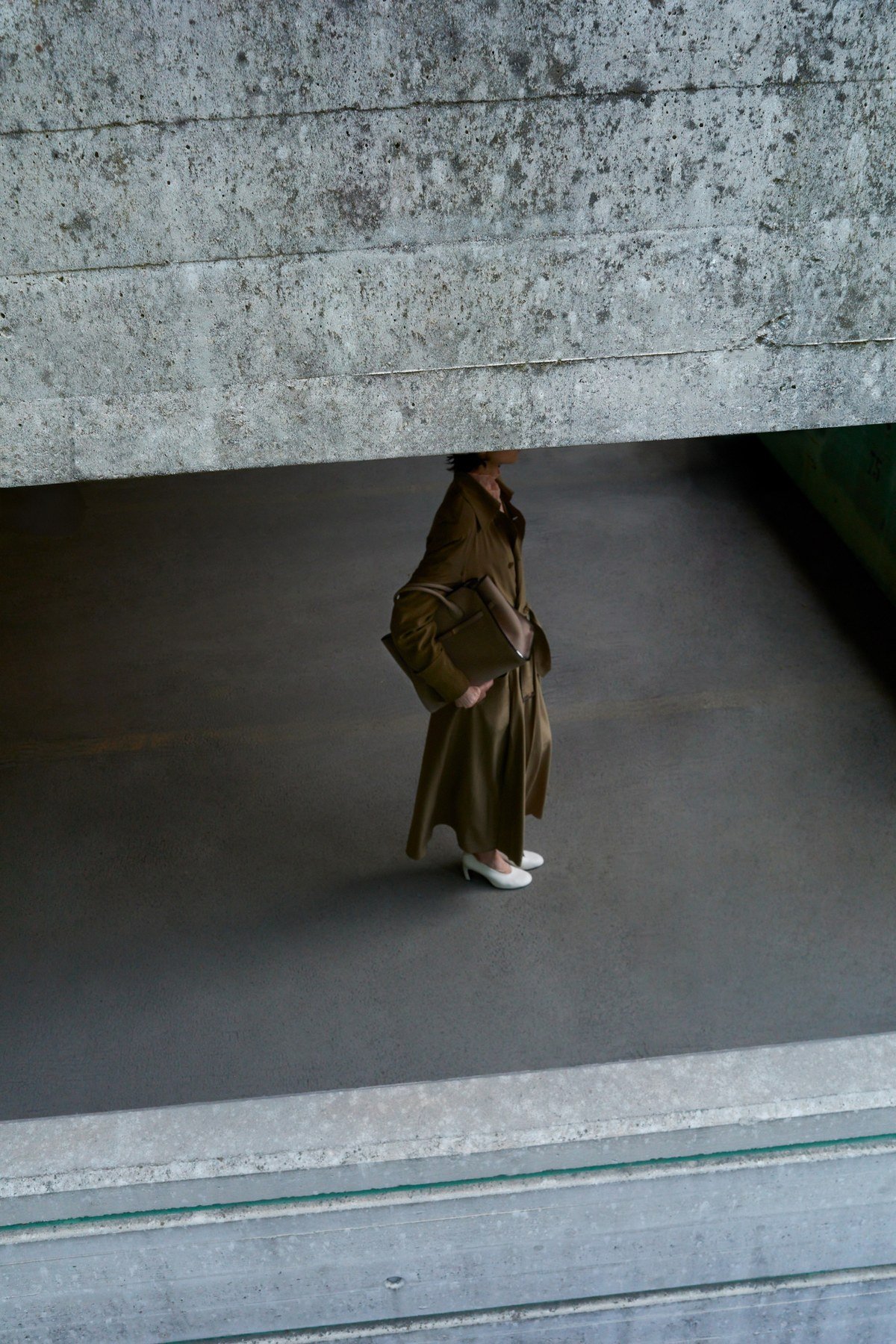
The ViVi Shopping Bag extended the idea into a more generous format. Offered in two sizes and made in the house’s soft Millepunte leather, it was designed to expand or draw in through its closure. The construction allows the silhouette to change rather than remaining fixed around its contents.
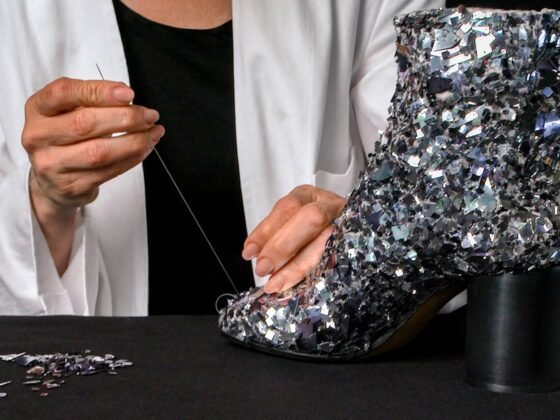
Alongside those material studies, Valextra continued its craft collaborations. The Milano Pibiones capsule with Sardinian family-run artisans Mariantonia Urru used a traditional hand-loomed pattern. A separate Iside Mosaic edition, developed with Indian enterprise Chanakya, placed mirrored sequins on a satin base. Valextra describes an embroidery process lasting seven days and using approximately 715 individually selected sequins.
Those collaborations give the collection another dimension. Softness is explored through the behaviour of leather, while the woven and embroidered pieces make the work of the hand visible in a different way. Viewed as a design study, the 2025 collection connects several approaches through a consistent concern with texture, structure and the object in use.